Unmasking The Enigma: The Prince In Shrek

Andrew Adams
Published Jan 02, 2026
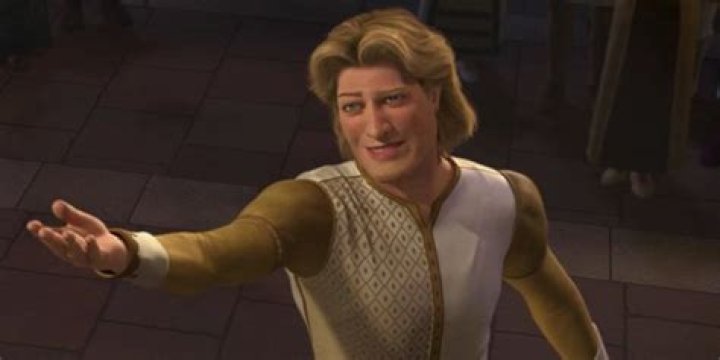
In the whimsical world of Shrek, where fairy tales are turned upside down, the character of Prince Charming stands out as a quintessential antagonist, embodying the clichés of traditional fairy tale princes while being subverted in humorous ways. This charming yet self-absorbed prince adds layers of complexity to the narrative, blending humor with a critique of fairy tale tropes. As audiences delve into the depths of his character, they discover that he is more than just a pretty face; he represents the societal expectations placed on love and masculinity.
Throughout the Shrek franchise, the Prince in Shrek serves as a foil to the titular ogre, Shrek himself. While Shrek is brash and direct, the Prince epitomizes a more refined, albeit misguided, approach to romance. His portrayal is twofold - on one hand, he is the archetypal prince, and on the other, he is a caricature of what society expects from a ‘hero’. This duality provides a rich ground for exploration, as it invites viewers to question the nature of heroism and love.
As we peel back the layers surrounding the Prince in Shrek, we find a character rich with irony and humor, serving as a reminder that not all fairy tale endings come from charming princes. Let’s dive deeper into his character, exploring his biography, motivations, and the impact he has on the overall narrative of Shrek.
Who is the Prince in Shrek?
The Prince in Shrek, often referred to as Prince Charming, is a character that appears prominently throughout the Shrek series. Portrayed as the ideal fairy tale prince, his character serves to highlight the absurdity of fairy tale conventions. His primary motivation throughout the series is to rescue Princess Fiona and win her love, believing that he is entitled to her due to his princely status. However, as the story unfolds, it becomes evident that his façade of charm masks a narcissistic personality.
What are the Prince's Key Characteristics?
- Self-Absorbed: Prince Charming is primarily concerned with his own image and how others perceive him.
- Arrogant: He believes he is the perfect match for Princess Fiona simply because he is a prince.
- Manipulative: The Prince often resorts to deceit to achieve his goals, showcasing a more sinister side to his character.
- Comedic Relief: Despite his villainous traits, his over-the-top persona provides humor throughout the series.
Prince in Shrek: A Closer Look at His Role
In Shrek, the Prince serves as a stark contrast to the leading characters, Shrek and Fiona. His attempts to rescue Fiona, while noble in the classic sense, are marred by his selfish motivations. This creates a comedic and ironic twist, as he fails to realize that Fiona does not need saving in the traditional sense. Instead, she seeks love and acceptance for who she truly is, which is something Prince Charming is unable to provide.
What Motivates the Prince in Shrek?
The motivations of the Prince in Shrek are driven by a desire for validation and recognition. He feels that by marrying Princess Fiona, he would elevate his status and gain the admiration he craves. His character is a reflection of how societal expectations can shape personal ambitions and desires. This struggle is relatable, as many individuals navigate similar pressures in their own lives.
How Does the Prince Compare to Other Characters?
When comparing the Prince in Shrek to other characters such as Shrek and Fiona, it becomes clear that he is a product of the very fairy tale conventions that the film seeks to parody. While Shrek is portrayed as a misunderstood hero who defies expectations, and Fiona is a strong, independent woman who embraces her true self, the Prince remains trapped in the role of the traditional prince. This juxtaposition highlights the film's overarching message about the importance of authenticity over appearance.
What Lessons Can Be Learned from the Prince in Shrek?
- The Danger of Superficiality: The Prince’s character serves as a cautionary tale about valuing appearances over substance.
- Questioning Gender Roles: His portrayal encourages viewers to rethink traditional gender roles and the expectations placed upon them.
- The Importance of True Love: The film emphasizes that love is about acceptance and understanding, rather than mere attraction.
What Impact Did the Prince Have on the Shrek Franchise?
The character of the Prince in Shrek not only adds depth to the storyline but also serves as a vehicle for humor and commentary on traditional fairy tales. His role in the franchise has allowed viewers to engage with important themes, including self-acceptance and the nature of love. As a result, the Prince’s character has become iconic, symbolizing the complexities of modern relationships and the absurdity of fairy tale narratives.
How is the Prince in Shrek Portrayed in Other Media?
Beyond the Shrek films, the Prince has appeared in various forms of media, including video games, merchandise, and spin-offs. Each portrayal retains elements of his original characterization while also adapting to new narratives. This adaptability speaks to the character's significance and the resonance of his themes across different platforms.
Conclusion: The Lasting Legacy of the Prince in Shrek
In conclusion, the Prince in Shrek embodies the complexities of fairy tale narratives and societal expectations. Through his character, the film cleverly critiques traditional notions of heroism and romance, offering audiences a fresh perspective on love and identity. As Shrek continues to capture the hearts of fans around the world, the Prince’s legacy remains an integral part of its narrative tapestry, reminding us that true love transcends the superficial.
Tragic News: Alone Season 10 Winner Dies
Unveiling The Life And Legacy Of Xi Mingze
Unlocking The Secrets Of Address Generation In The UK
Prince Charming Shrek the Third
Image Prince Charming as Shrek.png Carmen (animated & live action
Who Plays Prince Charming In Shrek 2?